8 min read



Key Takeaways
- Loyalty programs often struggle because of complicated rules, weak rewards, or too much friction for customers.
- Customers are more likely to participate when joining, earning, and redeeming rewards is simple.
- Identifying where customers stop engaging can help businesses find the biggest problems in their loyalty program.
- Relevant rewards, timely communication, and clear progress can encourage customers to participate more often.
- Tracking redemption, repeat visits, and engagement helps businesses understand what is working and what needs to change.
A loyalty program can give customers a reason to return, but simply launching one does not guarantee stronger engagement or repeat business. Complicated sign-ups, rewards that feel out of reach, poor communication, and a difficult redemption process can quickly cause customers to lose interest.
Research and industry analysis also show that underperforming loyalty programs can struggle with issues such as poor economics, limited customer insights, and low engagement. Harvard Business Review’s analysis of why loyalty programs fail highlights several factors businesses should consider when evaluating an underperforming program.
The good news is that many of these problems can be addressed by identifying where customers drop off, simplifying the experience, improving rewards, and making loyalty easier to use.
Common Mistakes That Make Loyalty Programs Fail
Most failing programs share a handful of the same problems, often more than one at once.

The Rewards Are Not Valuable Enough
If a reward takes too long to earn or feels too small, customers stop paying attention to it. The value has to feel worth tracking, or people will not bother.
The Loyalty Program Is Too Complicated
Confusing tiers, unclear point values, or too many rules push customers away fast. A program should be simple enough to explain in one sentence.
Customers Have to Work Too Hard to Join
Long sign-up forms and required downloads lose customers before the program even starts. Every extra step is a chance for someone to give up.
Customers Have to Wait Too Long for Rewards
If the first reward feels far away, customers lose interest before they ever redeem anything. Early, small wins keep people engaged from the start.
The Program Is Not Promoted Properly
A program customers do not know about cannot possibly work, no matter how well it is designed. Staff and signage both matter more than most businesses expect.
Customers Get Too Many or Irrelevant Messages
Overloading customers with generic offers trains them to ignore every message you send. Relevant, occasional messages perform far better than frequent, generic ones.
The Program Does Not Give Customers a Reason to Return
If the only incentive is a small discount, it often is not enough on its own. Programs need to make repeat visits feel worthwhile beyond the price.
The Loyalty Program Is Not Personalized
Generic rewards feel disconnected from what a customer actually buys or how often they visit. Personalization does not need to be advanced to make a real difference.
Customers Forget About Their Rewards
Without reminders, customers can easily forget that they are close to earning a reward. Understanding why customers stop using loyalty cards can help businesses identify and address these engagement problems.
The Program Is Not Integrated Into the Customer Experience
If joining or earning points requires extra effort at checkout, staff and customers both skip it. Loyalty should fit naturally into the visit, not interrupt it.
The Business Does Not Measure the Right Metrics
Tracking sign-ups alone does not show whether a program is driving meaningful engagement. Redemption rates, repeat visits, and customer activity provide a clearer picture of performance.
How to Fix a Loyalty Program That Is Failing
Fixing a struggling program rarely means starting over. It usually means adjusting a few key parts.

Find Where Customers Drop Off
Look at your data to see where customers stop engaging, whether at sign up or reward redemption. That is where to focus your first changes.
Ask Customers What They Actually Want
A short survey or a few quick conversations often reveal exactly why a program is not landing. Customers will usually tell you directly if asked.
Simplify the Program
Cut unnecessary steps, tiers, or rules until the program is easy to explain and easy to join. Simpler almost always performs better than clever.
Improve the Rewards
Adjust rewards so they feel achievable and genuinely worth earning, not just technically available. Small, frequent wins tend to beat one large, distant reward.
Make the Program Easier to Use
Reduce friction at every step, from joining to redeeming, so customers do not have to think about it. Ease of use drives repeat participation.
Improve Loyalty Marketing
Promote the program consistently through staff, signage, and simple messages customers actually read. Visibility solves more problems than people expect.
Measure and Optimize
Track redemption rates and repeat visits regularly, then adjust the program based on what the data shows. Treat it as ongoing, not a one-time setup.
If you are also looking for practical ways to increase repeat visits, these strategies for getting repeat customers can help you build a stronger retention approach.
How Stampy Helps Businesses Build a Better Loyalty Program
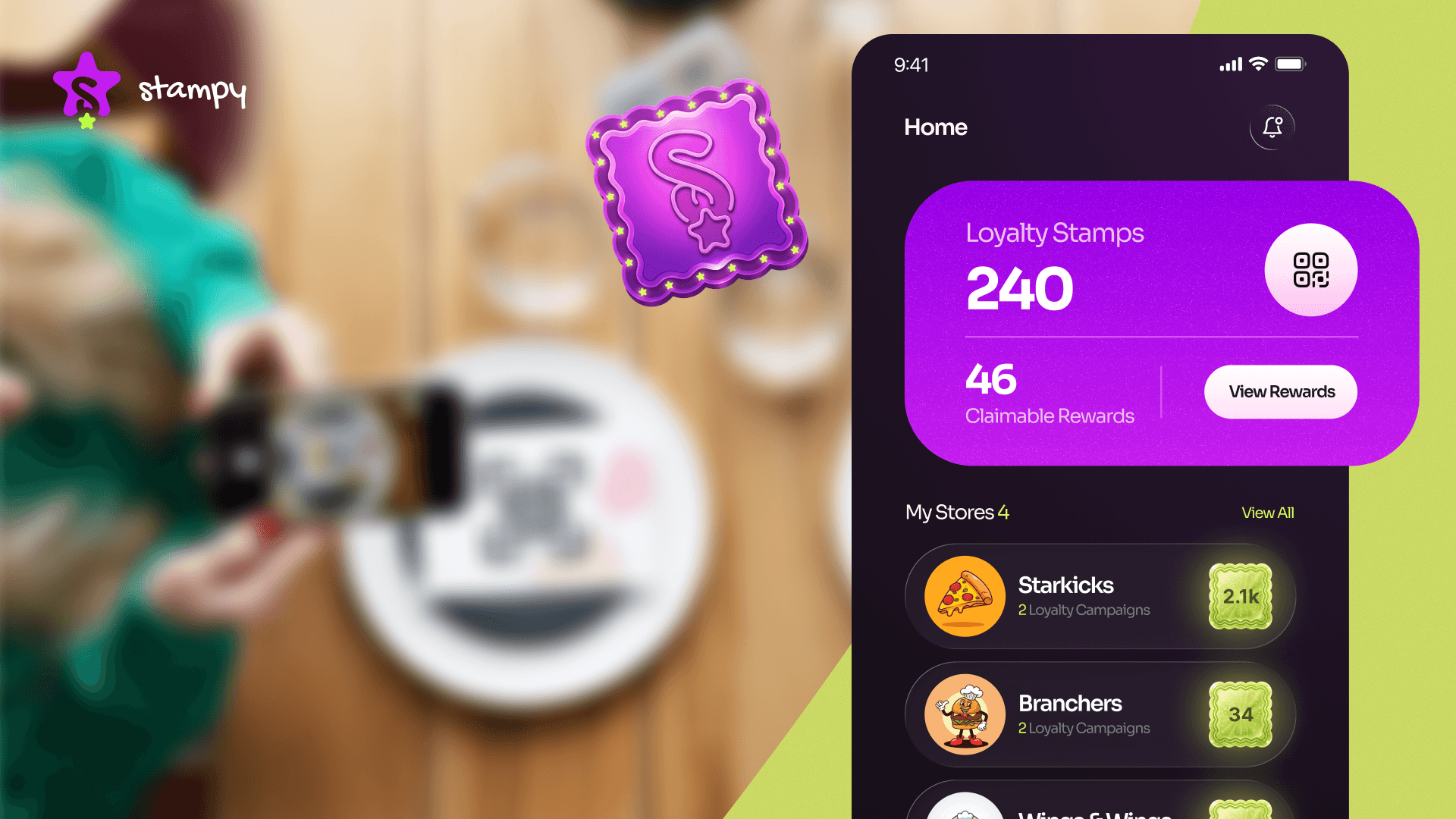
Stampy’s digital loyalty platform is built to remove the friction that can cause loyalty programs to struggle in the first place.

Make Loyalty Easy for Customers
Customers can join and start earning rewards in seconds, without downloads or long forms. Fewer steps mean more customers actually stick with the program.
Create Digital Rewards That Drive Repeat Visits
Set up rewards that feel achievable and easy to track, so customers stay motivated between visits. Small, visible progress keeps people coming back.
Make Customer Enrollment Simple
Sign up happens right at the point of sale, so no customer is lost to a complicated process. This alone solves one of the biggest causes of failure.
Keep Customers Engaged
Automatic reminders nudge customers back before they forget about a reward they are close to earning. Engagement stays active without extra work from staff.
Track Loyalty Program Performance
Built-in reporting shows redemption rates and repeat visits clearly, so you always know what is working. That makes it easy to adjust the program as needed.
What Does a Successful Loyalty Program Look Like?
Successful programs tend to share the same handful of traits, regardless of the business type.
- Easy to Join: Sign up takes seconds and requires almost no effort from the customer.
- Easy to Understand: The rules and rewards can be explained in one short sentence.
- Valuable Rewards: Customers feel like the reward is genuinely worth working toward.
- Simple Redemption: Claiming a reward takes no more than a few seconds at checkout.
- Regular Customer Engagement: Customers hear from the business occasionally, without ever feeling overwhelmed.
- Personalized Offers: Rewards reflect what a customer actually buys or how often they visit.
- Clear Customer Progress: Customers can see exactly how close they are to their next reward.
- Measurable Results: The business tracks redemption and repeat visits, not just enrollment numbers.
Conclusion
Loyalty programs rarely fail because the idea itself is flawed. More often, customers lose interest when the program is difficult to join, rewards are not valuable enough, or the experience does not give them a strong reason to return. These are problems businesses can identify and improve.
Start by finding where customers drop off, then focus on making the program simpler, more rewarding, and easier to use. Keep communication relevant, track how customers engage, and make changes based on what the data shows. A loyalty program works best when it fits naturally into the customer experience and gives people a reason to come back.
Frequently Asked Questions
Why do loyalty programs fail?
Loyalty programs often fail because rewards are not valuable enough, rules are too complicated, sign-ups create friction, or businesses fail to communicate and promote the program consistently.
What are the most common loyalty program mistakes?
Common mistakes include complicated sign-up processes, unclear reward structures, difficult redemption, irrelevant offers, limited personalization, poor communication, and inconsistent promotion across different customer touchpoints.
How can I fix a failing loyalty program?
Start by identifying where customers stop participating, then simplify enrollment, clarify the rewards structure, improve redemption options, and promote valuable incentives through consistent customer communication.
What makes a loyalty program successful?
A successful loyalty program is simple to join, easy to understand, and rewarding to use. Customers should clearly see the benefits and feel motivated to participate regularly.
How can I get more customers to join my loyalty program?
Make registration quick and simple, promote the program across your website, store, email, and social channels, clearly explain the benefits, and offer an easy-to-earn first reward.
How can I increase loyalty program engagement?
Increase engagement by sending timely reminders, offering personalized promotions, showing customers their available points or rewards, and regularly communicating benefits that encourage repeat purchases and participation.
How often should loyalty rewards be offered?
Loyalty rewards should be offered regularly enough to keep customers interested and motivated, while avoiding excessive promotions that may cause message fatigue or reduce the perceived value of rewards.